



Reflections on the 50th Anniversary of the Fall of Saigon: Lessons Learned from History
Walking Down Memory Lane
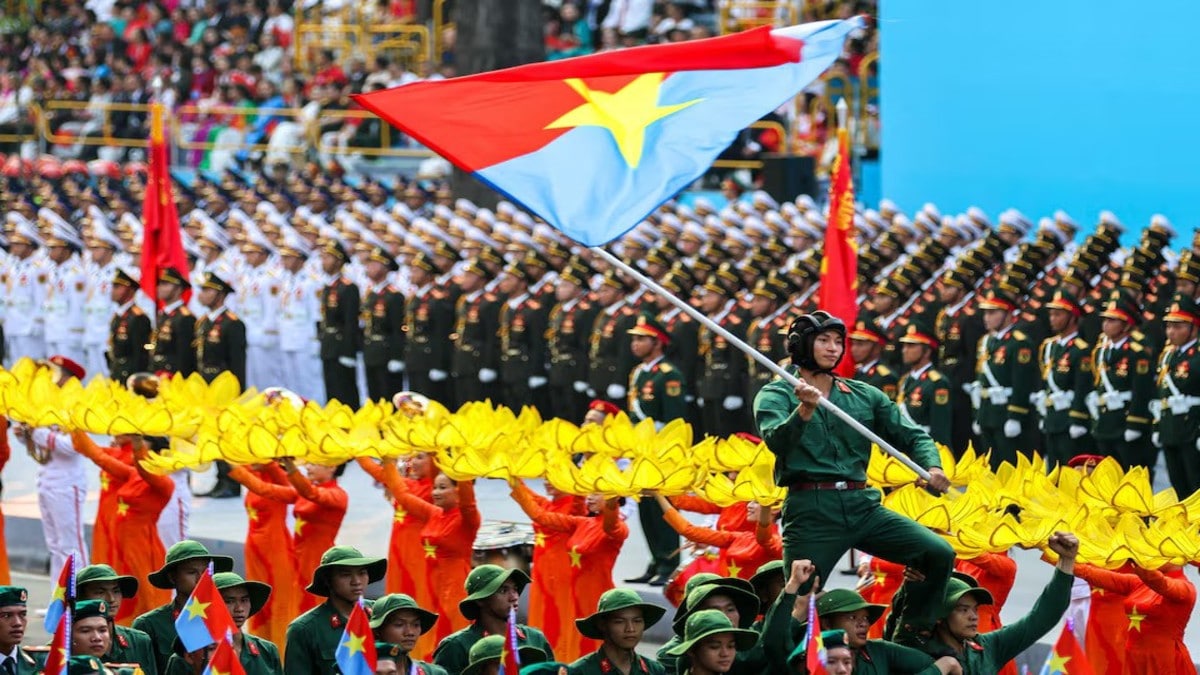
So, let's take a walk down memory lane, or a march in this case, as we reminfisce about the 50th anniversary of the Fall of Saigon. Picture this: it's a bright morning in Ho Chi Minh City, formerly known as Saigon, and the streets are full of life and parades. Imagine soldiers marching, people dancing, and the sounds of speeches about triumph and justice filling the air. Fast rewind to half a century ago, to a chaotic day that would mark the pages of history forever.The Fall of Saigon: A Chaotic Morning
It was early morning, not even 8 a.m. on April 30, 1975, when a Marine Corps CH-46E Sea Knight chopper was buzzing on the roof of the US Embassy in Saigon. The last of the Marine security guards, Master Sergeant Juan Valdez, was hopping on board, marking his final goodbye after a decade-long stint in Vietnam. Moments later, Saigon would fall into the hands of the North Vietnamese, marking a significant turn in the conflict narrative just two years after the Paris Peace Accords.Operation Frequent Wind
This particular helicopter ride was part of something called Operation Frequent Wind—sounds cool, but it was pretty intense. This operation was the largest helicopter evacuation ever, pulling out some 1,373 Americans and a massive 5,595 Vietnamese and folks from other countries right under the nose of an advancing enemy.The Symbolic Weight of a Moment
What's truly gripping is the symbolic weight this moment carried. Picture the U.S., a powerhouse undefeated in wars up to that point, having to tuck tail. It was more than just a military defeat; it was a humbling national moment.Perspectives from Journalists
Now, let's talk about the journalists who literally had front row seats to this historical episode. Loren Jenkins from Newsweek, later with NPR, was one of them. He called the war stupid, unnecessary, and brutal to everyone involved. That pretty much sums up the chaos—the U.S. might have managed to pull off an evacuation, but the whole scenario was far from a win.A Lesson in History
Flash forward to the recent past, and that feeling of chaotic evacuation seems to ring a bell, right? Think about the mess at Kabul airport in 2021. It's like history has a weird way of repeating itself, or at least rhyming. But that's just part of the gritty reality of conflicts. They often start with goals that seem clear but end up muddy and painful for everyone involved. The Vietnam War, with U.S. forces leaving in such an unrewarding way, teaches a tough lesson on the limits of power and the futility of certain conflicts.Commemorating the Transformation
So, back to our anniversary celebration in Vietnam. From mourning to morning parades, from a war-torn past to a bustling present, Vietnam's transformation is almost cinematic. It's a testament to their resilience and a rememberance of their tough journey. From being at odds to becoming trade partners, the U.S. and Vietnam have indeed come a long way. Yet, the war is still a tender scar in American history, prompting a reevaluation of its role on the global stage. Meanwhile, Vietnam cruises on with robust growth, trading internationally, including with its former adversary.Continued Reflections on Global Conflicts
And here we are today, still grappling with the aftermath of that turbulent period while dealing with new conflicts around the globe. It seems like humanity hasn't fully grasped the costly lessons of past wars. But then again, isn't it high time we learned? To push back against violence and strive for peace instead of brewing new conflicts? Because, in the grand scheme of things, isn't peace the real victory we should all be fighting for?