



Reflecting on V-E Day: Remembering Heroism and Evolving Alliances 80 Years After WWII
Celebrating V-E Day
Imagine this: it’s May 7, 1945, and Times Square in New York is absolutely bursting at the seams. People are everywhere, celebrating like there’s no tomorrow because Germany just waved the white flag in World War II. Pretty epic, right?The Memories of Marcel Schmetz
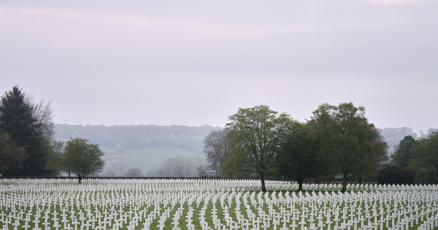
Now, jump to Marcel Schmetz, who’s now 91 and still haunted by the gruesome sights of mangled American soldiers arriving in trucks at a nearby war cemetery back in ’45. It’s the kind of stuff that sticks with you, gives you the chills. But it also kindled a deep thankfulness in him for the American and international soldiers who laid down their lives to crush Hitler’s armies and bring the war in Europe to a close.Building a Museum of Gratitude
Schmetz felt so moved by this that he actually built a museum right in his home in the Belgian Ardennes to honor these brave souls. He’s like, “If it weren’t for the Americans, we’d probably not be here.” Talk about gratitude!Continued Thankfulness in Normandy
And that gratitude vibe isn’t just a Schmetz thing. Over in Normandy, France—yeah, where the Allies stormed the beaches and turned the tide of the war—people are still living out that thankfulness. Take Marie-Pascale Legrand, who’s taking care of Charles Shay, a 100-year-old American who fought on D-Day and kept fighting for months. She’s all about living free today thanks to guys like him.Marking 80 Years Since Germany's Surrender
The fighting continued fiercely until Germany finally threw in the towel on May 8, 1945. Fast forward and now, 80 years later, Europe’s gearing up to mark this huge moment—Victory in Europe Day, or V-E Day. It’s a big deal, celebrating one of the most significant days in recent European history.The Changing Dynamics of U.S.-European Relations
But let’s not gloss over the rough patches. The once solid bond with the U.S. that stood the test of time, especially against Soviet threats during the Cold War, is starting to show some cracks. The past few months, things got a bit spicy with trade tensions and all, courtesy of the Trump administration. They’ve been questioning the old alliances and even slapped some trade sanctions on the EU and the UK, claiming the EU was set up to rip off the U.S. from the get-go. So yeah, the trade war drama is real. Despite the political shimmy-shake, places like the green Ardennes and the windswept Normandy coasts still hold on to their ties with America. Schmetz put it perfectly, “For those that criticize the Americans, we can only say that for us, they were all good.” And he’s been so touched by the sacrifices he witnessed, he made it his mission to keep the memory alive, converting his large mechanic shop into a museum filled with war relics.Touching Tributes to Fallen Soldiers
Speaking of touching tributes, Mathilde, Schmetz’s wife, is planning to place 696 roses on the graves of the 1st Infantry Division soldiers at Henri Chapelle. That division, known as The Big Red One, is also where Charles Shay served, making his way through the Ardennes to Germany after surviving D-Day. Meanwhile, Reagan’s speech back in ’84 on a Normandy bluff hit home for Legrand. She was just in her 20s then, but it fired her up to do something meaningful to honor the Allied soldiers. She’d been helping veterans long before she met Shay, who was pretty down and out when she took him in.The Future of U.S.-European Alliances
As for the U.S. and Europe, are they still allies for keeps? Trump’s candid chats about European NATO allies needing to pick up more of the defense tab have sparked some major anxiety about whether the age-old Atlantic alliance can hold up. It’s raised some tough questions about whether the gratitude Europeans feel should be eternal. So, what do you think? Are we forever indebted, or is there a limit to this gratitude? Either way, it’s a conversation worth having, don’t you think? Stay tuned, and don’t forget to sign up to get all the latest updates right in your inbox!