



Navigating the Wind Energy Debate in Oklahoma: Progress vs. Preservation
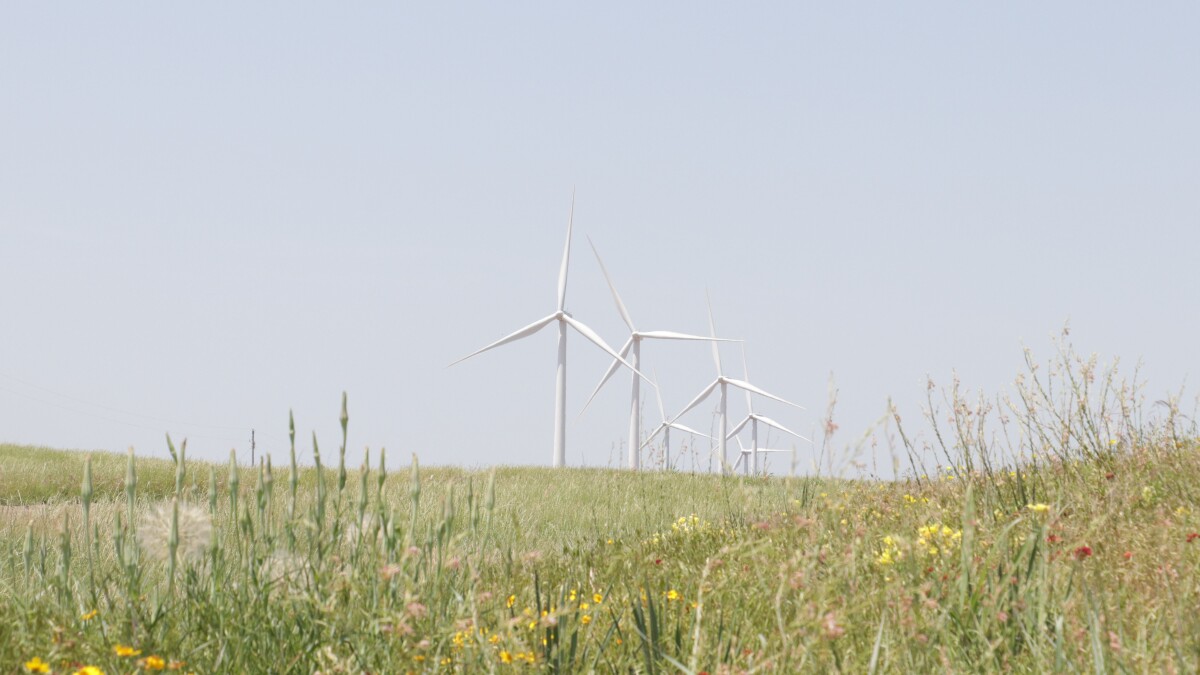
Wind Energy in Oklahoma
Wind energy’s been the talk of the town in Oklahoma for a while now. Seems like every lawmaker and their dog has an opinion about where those giant fans should or shouldn't go. It’s sparked a real debate about who gets to say what goes on in their own backyard and what it means for the folks who call those wide open spaces home. Some folks are really rallying against it, even holding protests at the state capitol to shout about their green energy gripes.NPR’s Climate Solutions Week Features Wind Energy
NPR’s been digging into this for their Climate Solutions Week, focusing on how wind energy is shaping the lives of Oklahomans, especially how it lets them live on their own terms. In the second of a three-part series, they're diving into what the big brains in policy and economics have to say about all the wind turbines popping up around Oklahoma.Regional Perspectives on Wind Turbines
Now, depending on where you're standing in Oklahoma, you’ll get different vibes about these wind turbines. Over in the western part, they’re pretty cool with it. They like their new windy neighbors. But head east, and it’s not quite the same warm welcome.Casey Murdock's Support for Wind Energy
Let’s talk about Casey Murdock, a big-shot senator from western Oklahoma. This guy loves those towering white windmills. To him, they’re not just about energy; they’re about progress and keeping the dollars rolling into places that really need it. He says leasing land to these wind projects is a lifeline for folks dealing with tough times—blizzards, droughts, you name it. "Amid tough times, every bit of extra dough helps, right?" Murdock points out how those turbines can bring in $15 to $20,000 per year each. That’s not chump change! And it’s not just personal pockets getting lined—this cash is a miracle for local schools and governments too, thanks to the taxes these energy companies fork over.Opposition and Regulations
But not everyone's on board with rolling out the red carpet for more turbines. There are these proposed regulations that could really put a damper on things. Murdock’s not a fan. He’s all about less government meddling, and he sees these new rules as a way to unfairly shield oil and gas from competition. "Suddenly, everyone wants a piece of legislation to keep their slice of the pie safe," he grumbles. If these restrictions go through, Murdock worries about the future of family farms in his neck of the woods turning into faceless corporate farms.Safety Concerns and Legislative Balance
The state legislature’s been busy too, trying to find that sweet spot between progress and protection. There are folks worried about safety—like what if a turbine flings a blade into someone’s house? But then, there are others who roll their eyes at the exaggerated fears. Speaking of setbacks, there's this whole debate about how far these turbines should be from homes and property lines, especially in the more crowded eastern parts. It’s a tug-of-war between wanting new tech and keeping the peace with the neighbors.Legislative Progress Despite Political Circus
Despite the political circus, some good did come out this session. A new law now requires wind projects to install tech that makes those blinking lights on turbines less annoying at night. Sure, the governor wasn’t thrilled—called it a costly hassle—but the law passed anyway.Murdock's Perspective on Political Climates
Through it all, Murdock blames a surge in anti-wind sentiment on political quibbling. "It's all this politicking," he sighs, hoping folks can soon see past the campaign bluster to the real benefits. On the flip side, there are folks purely turned off by the look of turbines, messing up their scenic views. Yet, from an economic standpoint, turbines aren’t the bad guys here. They mesh well with local agriculture and don’t much hinder the still-thriving oil and gas sectors.The Role of Renewables in Rural Communities
Over at the OSU Extension, Shannon Ferrell talks up how crucial renewables like wind have been for rural communities, especially schools that are financially floundering. Change is tough, no doubt. Oklahoma’s no stranger to that, especially when trying to juggle new energy solutions with old-school concerns. To top it off, getting all this wind power from point A to B means beefing up our grid, which is another can of worms, since not everyone's jazzed about more power lines crisscrossing their land.Conclusion: Balancing Progress and Tradition
In the end, it’s a complex dance of progress, tradition, and practicality. As Murdock puts it, "Let me build my wind turbines. You might not like looking at them, but they’ll keep your lights on. Just let me get my power to your front door," he pleads. And that's the windy road Oklahoma's on right now, trying to figure out how to harness the breeze without causing a storm. It's a tricky balance, but hey, that's life, right?