



Microsoft and Stimson Center's AI Initiative: Empowering Emerging Markets Through Responsible AI
Introduction
So, since 2023, Microsoft’s Office of Responsible AI teamed up with the Strategic Foresight Hub at the Stimson Center. They've been bringing together a super diverse bunch of experts from all over the Global South.Main Goal
The main goal? To dig into how AI shakes things up in emerging markets, from business to everyday life. They’re really looking into how the risks and benefits of AI play out in different places—social stuff, cultural vibes, economic scenes, and environmental contexts. Pretty cool, right? Participants get a chance to cook up both tech and policy solutions to cut down risks and beef up opportunities worldwide. They even get to publish their insights at Stimson, which is a sweet deal if you ask me. They focus on sharing what they know about keeping AI on the responsible side, especially in their own backyards.The Impact of AI in Africa
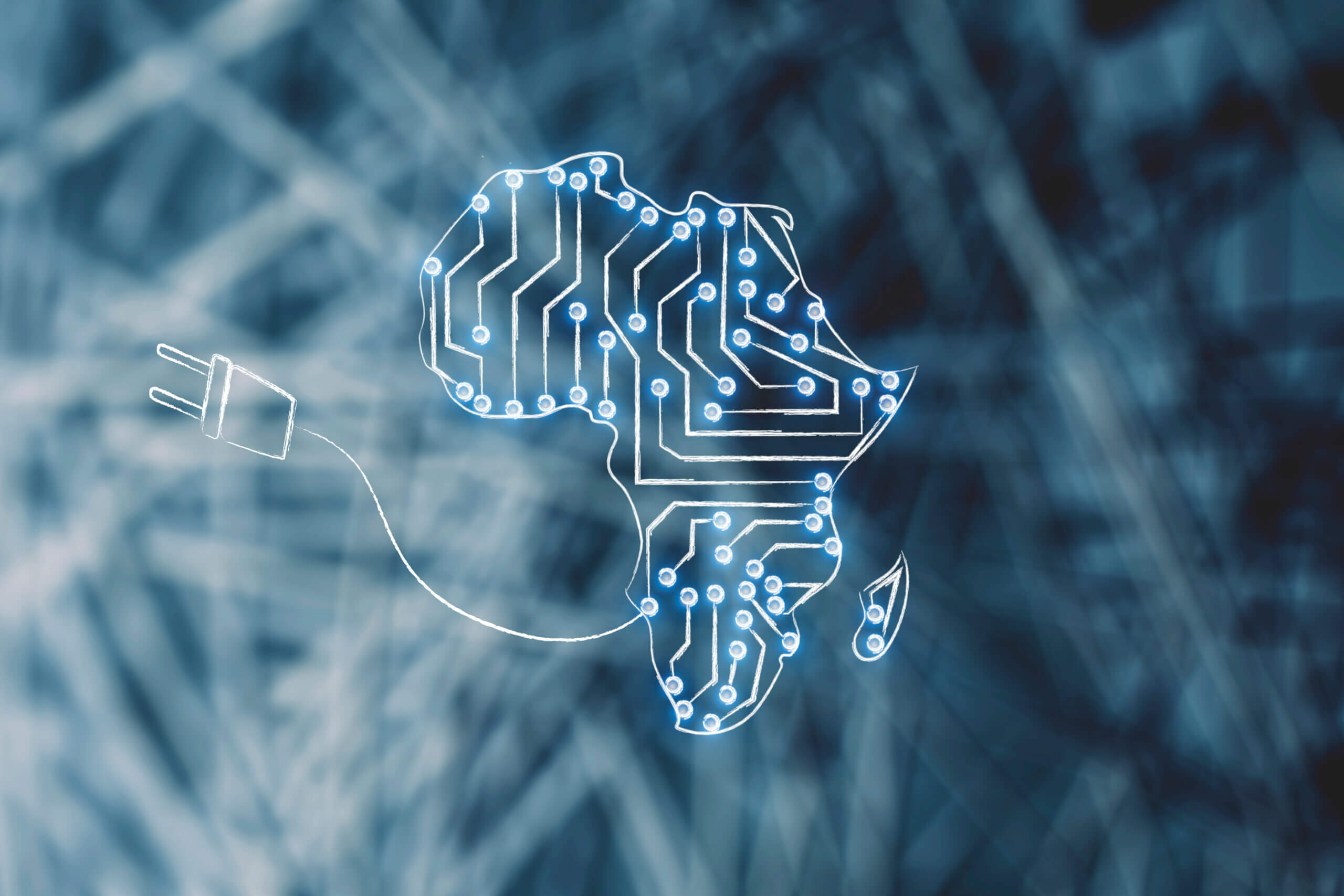
Over in Africa, AI's making some serious waves, especially for folks on the margins.Opportunities and Concerns
It’s got a ton of potential to do good, but there’s a bit of worry in the air too. Some folks are concerned that AI could end up pushing already marginalized groups even further to the sidelines. Despite all the big talk about equality and fairness from governments and big companies, there’s still a lot of uncertainty. We’re talking about wonky policies, not enough skills, and a real tight squeeze on resources. This makes it tough to build an AI scene that includes everyone. Not to mention, there’s a buzz around femtech—tech specifically designed to tackle women's unique health and wellness needs, pushing for economic and social participation for women and girls. But here’s the kicker: even with femtech trying to level the playing field, the big question still hanging is how do we really make sure AI meets the needs and desires from a feminist angle?Gender Equality Initiatives
When it comes to gender, it feels like it’s often shoved to the back burner in policy talks and real-life applications. But, there’s hope!Initiatives Across Africa
There are loads of initiatives, like charters and agreements, all across Africa aiming at booting out violence against women, shrinking the poverty gap affecting women harder than men, and boosting women's involvement in politics and business. Take Agenda 2063, for instance. It’s all about cranking up gender equality and getting the youth all fired up and involved. The African Union’s 2018-2028 strategy on Gender Equality and Women's Empowerment (GEWE) is also putting in the work to beef up women’s presence and make sure they’re heard loud and clear. And then there’s the African Charter on Human and Peoples' Rights on the Rights of Women in Africa that makes it a must for countries to fight all sorts of discrimination against women with the right laws.Foundations for Gender Equality
Now, Africa’s got a solid foundation when it comes to gender equality and rights for women and girls. There are some killer initiatives supported by both civil and government bodies focusing on merging women into the national digital polices.National AI Strategies
Like in Rwanda, where women are stepping up big time in sketching out plans for AI. And in Kenya, ladies are leaving their mark on the national data strategy. But here’s the rub: Africa still has gaps to bridge when mixing AI into policies. The Oxford AI Worldwide Readiness Index throws up some numbers that are kind of a bummer. Mauritius is topping the charts in Africa but still lands at 69, way behind the U.S., which clutches the top spot. Only four African countries—Mauritius, South Africa, Rwanda, and Egypt—are doing better than the average.Progress and Challenges
Efforts to boost policies around the continent are picking up but are still kind of baby steps. Egypt kicked things off in mid-2021 with its national AI strategy tagged, “Artificial Intelligence for Development and Prosperity.” It’s all about huge goals for growth and making bucks. Senegal joined the club in 2023 with its own plan focusing on $$$ too. And Rwanda, not to be outdone, rolled out its “National AI Policy for Responsible AI Adoption” on April 20, 2023, all pumped about sustainable development. 2024 saw Kenya dropping its draft national AI strategy that talks big about social inclusion, ethics, and fairness in AI.The Digital Divide
Despite all the hustling by African governments in recent years to speed up digital changes—like better internet reach, digital structures, and economic creativity—poor and vulnerable groups still don’t get much of the digital pie.Language Barriers
Most websites are still mostly in English or other languages from colonial times like French, not in local tongues. This cuts off a ton of people from jumping into digital stuff, especially if they can’t get a grip on English or French. This hits women and other diverse groups even harder, as they often miss out on the digital and AI goodies because of gaps in education and opportunities.Conclusion
There’s a ton of work left when it comes to building a globally fair and responsible AI scene, and Africa is smack in the middle of it. Most AI systems come from the Global North, cooked up by tech bigwigs and governments who might not really get the needs of folks down south. They often frame problems based on what’s important to them, not the communities that actually face the music. This sometimes means AI doesn’t really help the folks it should but ends up serving big corporate or state agendas. This North-centric view trickles down, affecting everything from what data is used to train AI models to how the data is collected and who’s in the loop. Let’s face it, too often, AI is just tossed into the mix because it’s shiny and new, not