


Exploring the Controversy
So, let's dive into this whole mess with Sean "Diddy" Combs—I mean, the guy's trial is just one spicy drama after another, right? During the proceedings, his defense lawyer, Brian Steel, threw a real curveball at "Mia," a witness hiding behind a pseudonym. He basically implied she was just trying to cash in on the #MeToo movement by taking Combs to court. Can you believe that? It's like, really? That moment alone really highlights the massive shadow that #MeToo is casting over our justice system right now, especially with all these mega trials happening just blocks apart in NYC.
Link to Other Legal Cases
Speaking of NYC, remember Harvey Weinstein? Yep, he’s up for another round of judgments in his own corner of legal hell. Like Diddy, Weinstein pleaded not guilty to some pretty dark stuff—except his charges are from back when #MeToo first erupted.
The #MeToo Movement's Evolution
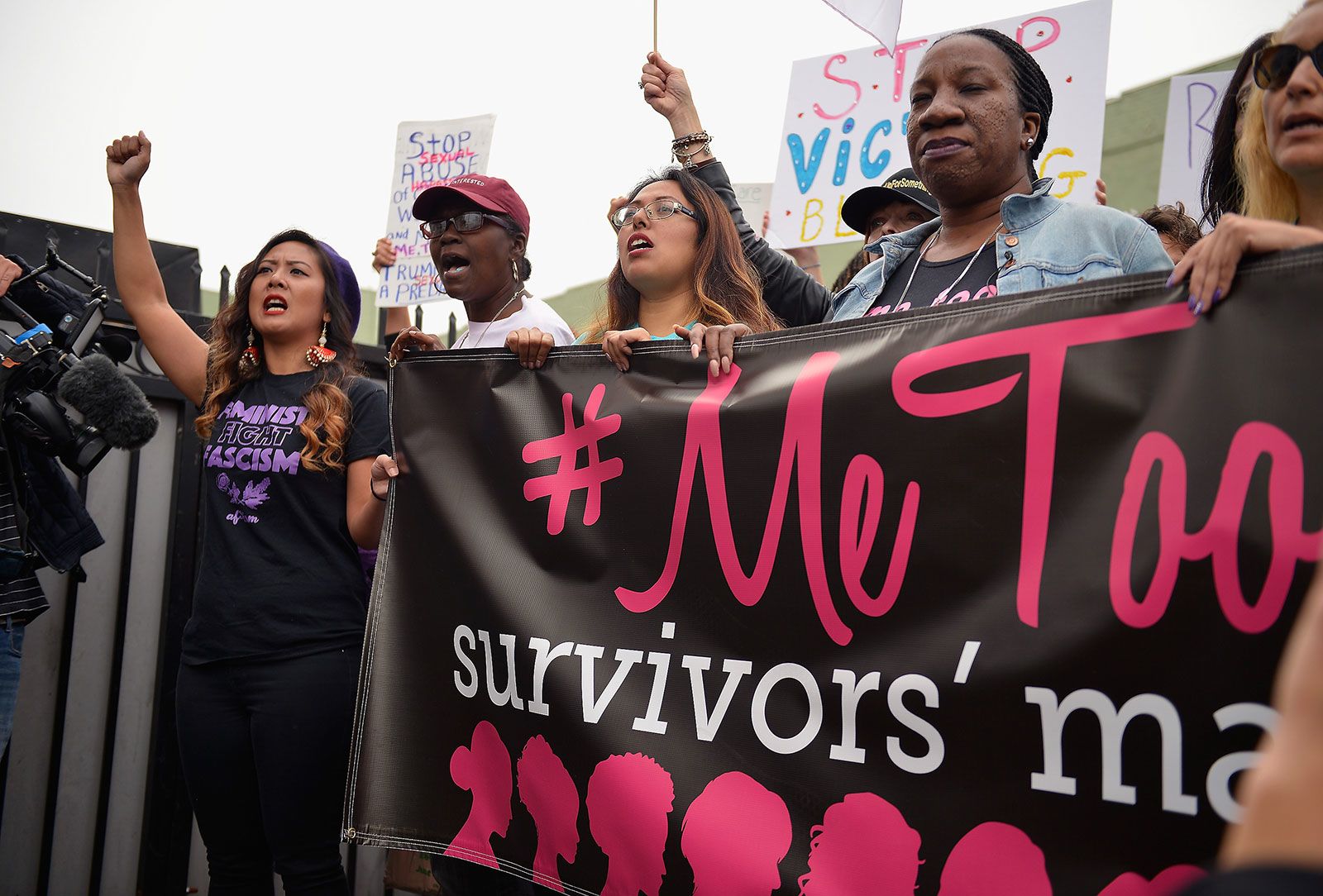
Changing gears, #MeToo wasn't just a sudden thing—it’s been brewing for a long while, started by Tarana Burke way before hashtags were a thing. Elizabeth Wagmeister from CNN chatted with Burke recently about all this. According to Burke, #MeToo is mainly about giving survivors their voice back. Just acknowledging that something awful happened is sometimes all that people want. Can we even grasp how much it means to be heard? Burke says a lot’s changed since 2017. People are finally putting words to things that were once hushed whispers.
The Bigger Picture
And though nailing culprits like Weinstein seemed monumental, it’s not just about chucking folks behind bars. It’s about changing how we think and respond to survivors. Speaking of which, Cassie Ventura played a huge role recently under the Adult Survivors Act against Combs. It's sparked necessary talks, especially about the hush-hush culture within hip-hop regarding women.
Future Implications
Flash forward: if Diddy’s acquitted, what then? Does everything we've seen or heard just vanish? It shouldn't. We need to remember, to learn. Amid all this, Burke is worried about how #MeToo is portrayed in the media—misinformation can really twist the public’s perception. But the focus remains: end sexual violence, not just rally against individuals. Think bigger, think protection, think prevention. It's about not needing to say 'Me too' anymore.
Closing Thoughts
What do you guys think? Are we on track, or is there still a mountain to climb?