



Harvard Researcher Facing Deportation After Immigration Drama Over Frog Embryo Samples
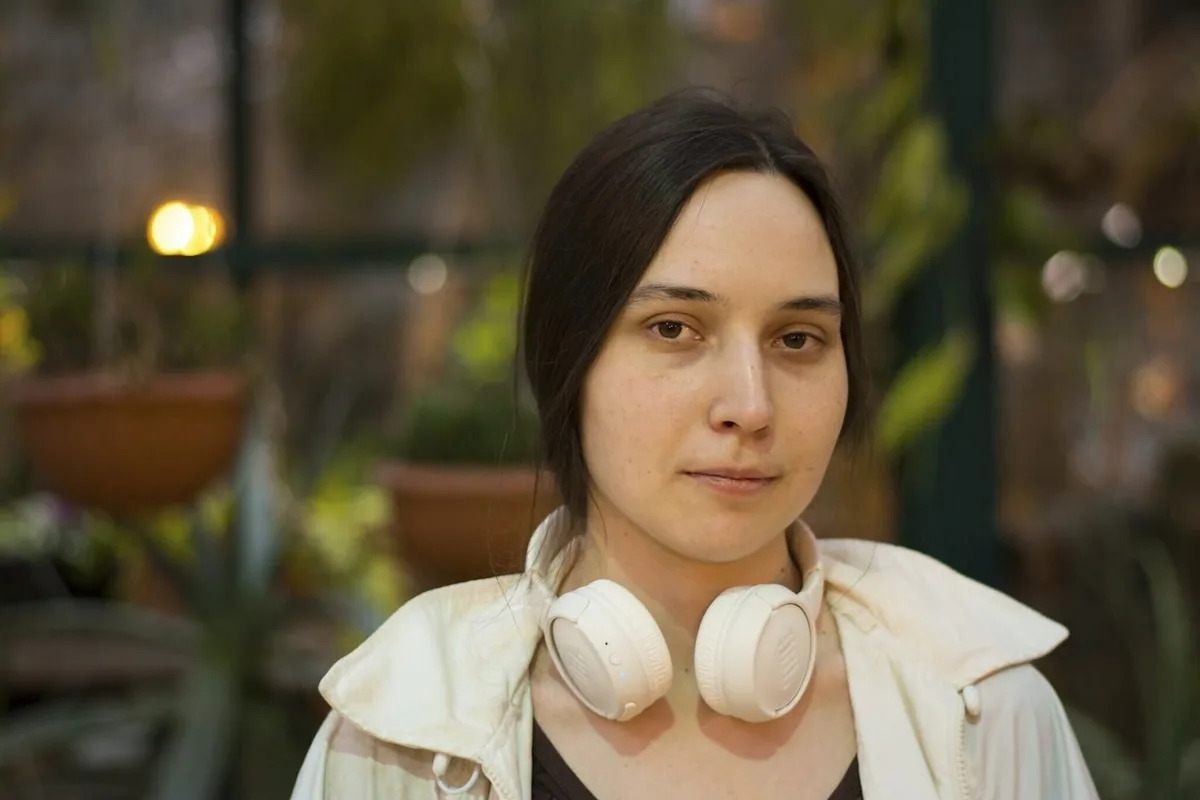
Kseniia Petrova's Immigration Drama
Kseniia Petrova never thought she'd be caught up in immigration drama, but here she is, 68 days into a stay at an ICE facility in Louisiana, all because of some unannounced frog embryo samples she had while landing in Boston.Background
Born in Russia, Kseniia is no stranger to the academic halls of Harvard, where she's known as a brilliant research associate. But now she's stuck in the middle of a heated debate about immigration policies under the Trump administration, which is pushing for widespread deportations. At the age of 30, Kseniia finds herself potentially being sent back to Russia, a prospect that terrifies her given the political climate there. The Department of Homeland Security insists she deliberately broke the law; meanwhile, her friends and supporters are calling for her release, stressing that this situation usually warrants nothing more than a fine.Impact on Research
While Kseniia waits in a jam-packed dorm-style detention center, her research team back at Harvard is feeling the pinch. They rely on her for a groundbreaking project involving a cancer-detecting microscope. Without her, their work is basically on hold. "The truth is on my side," Kseniia claimed in a video chat from the ice-cold detention center, her voice competing against a backdrop of clashing languages.Conditions in Detention
She described the conditions in the detention center, where she resides with 98 other women in a single large room. The majority are from Latin America, many detained for crossing the border without documents, others for less clear reasons. Kseniia highlighted the absurdity of her fellow inmates’ situations, noting that many seem to be detained without any real understanding of why. The food is a nightmare, consisting mostly of carbs with barely any fresh produce, and they're only allowed outside for an hour each day—less if it rains, which it often does in Louisiana.Legal Trouble
Earlier in the year, Kseniia was on a research trip in France. She visited a specialized lab where she obtained frog embryo samples that are crucial for her research. When she got caught at Boston's Logan Airport, she didn’t realize those samples needed to be declared. Homeland Security is now accusing her of trying to smuggle them in, which she vehemently denies. Her boss, mentor, and a notable figure in Harvard’s Department of Systems Biology, Leon Peshkin, defended her. He argued that the samples were harmless and even if Kseniia was mistaken, a simple fine should have been enough.Broader Implications
Harvard is keeping an eye on the situation, but there’s a looming fear that this could send a negative message to other foreign scientists considering the U.S. for their research careers. Kseniia, in the meantime, waits for a legal ruling, her life and career hanging in the balance. She left Russia to escape the political repression and now fears returning could lead to her imprisonment—or worse—due to her political views and her public position against the ongoing war.Current Status
Her case is under scrutiny, with an immigration judge recently criticizing the federal government’s evidence as weak and giving them a week to present something more convincing. The outcome of this case could very well shape the perspectives and policies around foreign researchers in the U.S.