

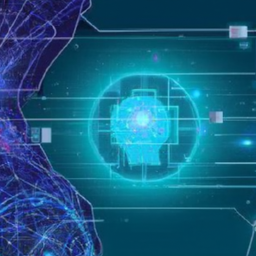
As the world continues to adjust to new ways of working, artificial intelligence (AI) is playing an increasingly crucial role in shaping the future of remote work. In recent months, several advancements in AI technology have emerged, aimed at improving productivity, collaboration, and overall work-life balance for remote workers.
One of the most notable trends in this space is the rise of AI-powered virtual assistants. These tools can automate mundane tasks, schedule meetings, and manage emails, allowing professionals to focus on high-priority projects. For instance, platforms like Otter.ai offer transcription services that convert meetings into editable notes, saving time for users who previously had to manually document discussions.
Moreover, AI is enhancing collaboration tools by providing smart suggestions and improving the overall user experience. For example, software such as Notion and Asana have integrated AI features that help teams stay organized and manage their workflows more efficiently. These enhancements foster seamless communication and ensure that all team members are on the same page, regardless of their location.
Furthermore, AI-driven analytics tools are becoming indispensable for remote teams. These tools analyze performance data, identify bottlenecks, and provide insights that allow organizations to refine their processes. For instance, platforms like Tableau leverage AI to help teams visualize data trends and make informed decisions based on real-time feedback.
Additionally, AI is being utilized to enhance employee engagement and support mental health. Tools that monitor employee sentiment can identify potential burnout and suggest interventions to foster a healthier work environment. Applications like TINYpulse are designed to provide regular check-ins and feedback channels for employees, ensuring their voices are heard even in a remote setting.
As remote work continues to evolve, the integration of AI technologies will undoubtedly shape the landscape of how we collaborate and perform our tasks. With these tools at their disposal, remote professionals can not only work more efficiently but can also maintain a better work-life balance, ensuring they remain productive without sacrificing their well-being.
For more information, visit the source article on TechCrunch.